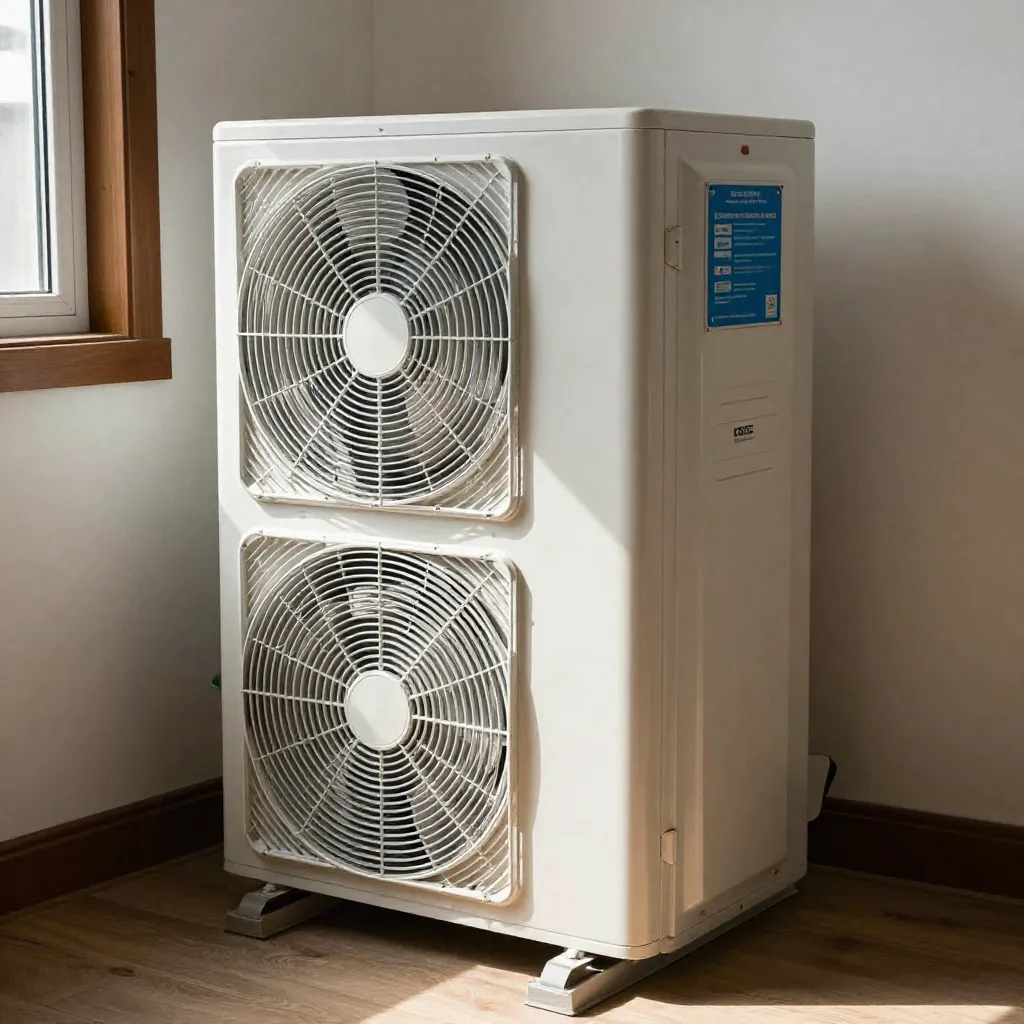
Winter Air Challenges Explained

Understanding why indoor air quality deteriorates during cold months and how seasonal changes affect your living environment.

Why Air Quality Changes in Winter

Sealed windows in winter home

Sealed Windows

To conserve heat, windows remain closed throughout winter, preventing fresh air from entering and allowing pollutants to accumulate indoors. This creates a stagnant environment where contaminants build up over time.
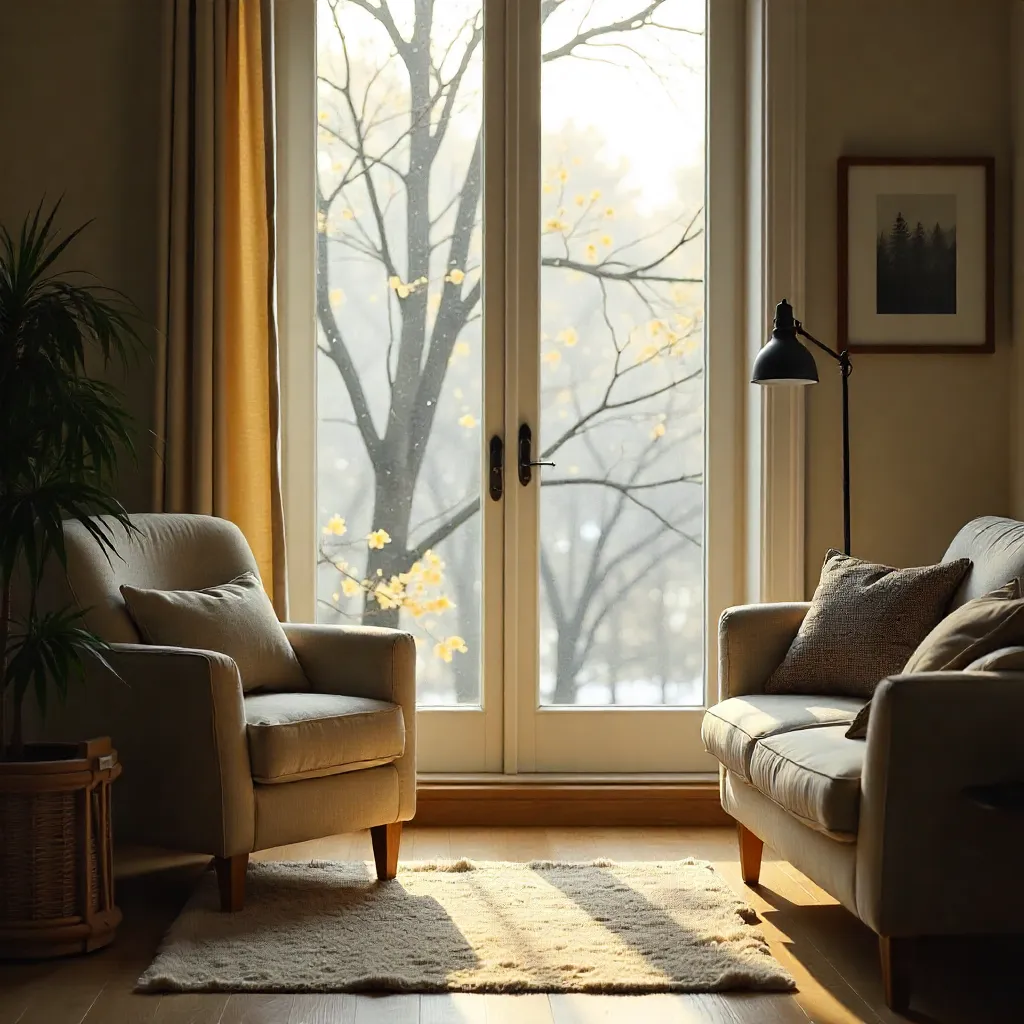
Dry indoor air environment

Low Humidity

Cold air holds less moisture, and heating systems further reduce humidity levels. Dry air can cause respiratory discomfort and allows particles to remain suspended longer, affecting air quality.
Indoor pollutants accumulation

Indoor Pollutants

Without proper ventilation, common household pollutants from cleaning products, cooking, and materials accumulate. These include volatile organic compounds and particulate matter that affect air quality.

Additional Contributing Factors

Dust Accumulation

Reduced air movement allows dust and allergens to settle on surfaces and become airborne more easily when disturbed. Regular cleaning becomes more important during winter months.

Heating System Effects

Heating systems can dry out the air and, depending on the type, may introduce additional particles or affect air circulation patterns within your home.

Air Flow Changes: Summer vs Winter

Air Circulation Comparison

Summer
Winter
High Circulation Low Circulation

During summer, open windows and natural ventilation create high air circulation. In winter, sealed environments dramatically reduce air flow, leading to pollutant buildup.

Understanding the Impact

Recognizing these challenges is the first step toward creating a healthier indoor environment. By understanding how winter conditions affect air quality, you can implement targeted solutions that address specific issues in your home.

Discover Solutions